When it comes to industrial manufacturing, choosing the right type of steel isn’t just a technical decision — it’s a strategic one. Steel forms the backbone of countless industries: from construction and automotive to tools, machinery, and infrastructure. Selecting the correct grade and type directly affects durability, performance, cost-efficiency, and safety.
Understanding the Types of Steel
Before diving into which steel to choose, it’s essential to understand the four primary types:
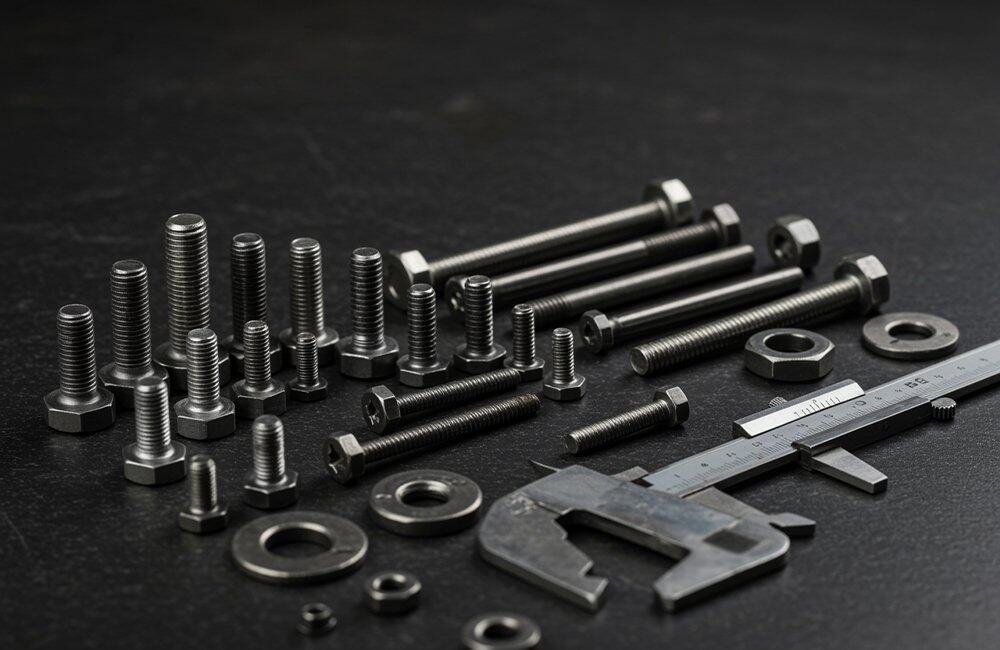
1. Carbon Steel: This is the most common form and is available in low, medium, and high carbon content. It’s versatile, affordable, and ideal for general structural purposes.
2. Alloy Steel: Alloyed with elements like chromium, nickel, and manganese, this steel offers enhanced mechanical properties and resistance to wear.
3. Stainless Steel: Best known for its corrosion resistance, stainless steel is commonly used in environments prone to moisture or chemicals.
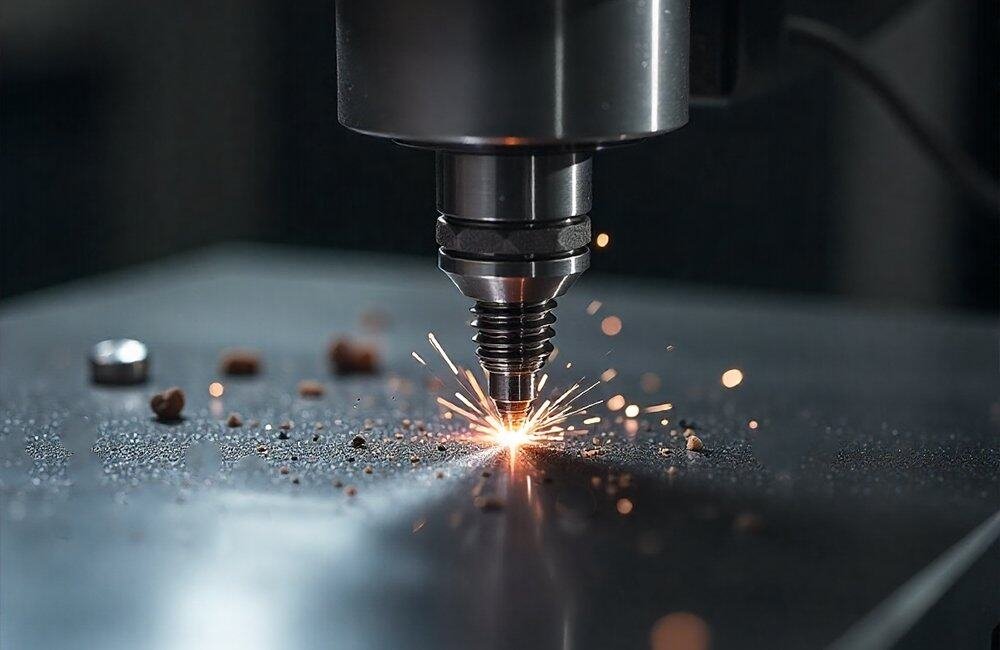
4. Tool Steel: These are hardened steels designed for cutting, drilling, or pressing tools. They retain sharpness and toughness under pressure.
Key Factors in Selecting Steel
Choosing the right steel involves a deep dive into your specific use case. Here are key considerations:
1. Mechanical Requirements What kind of load or stress will the steel handle? For example, construction beams may need high tensile strength, while a duct may prioritize malleability.
2. Environmental Conditions Will the material be exposed to moisture, salt, heat, or chemicals? Stainless steel or certain alloy steels may be more suitable in such conditions.
3. Weldability and Formability Some grades of steel are easier to weld or bend than others. If your application involves shaping or fabricating, choose accordingly.
4. Cost vs Performance There’s a balance between cost-efficiency and performance. Sometimes a slightly more expensive steel reduces future maintenance or failure risk.
5. Standards and Certifications Ensure that the steel you choose meets national and international standards like IS, ASTM, or ISO.
Industrial Use Cases and Recommended Steels
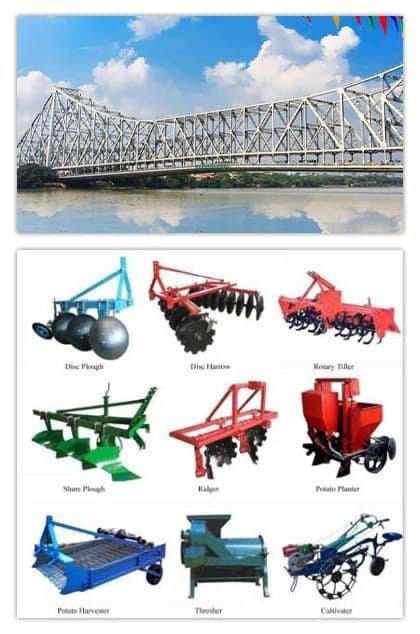
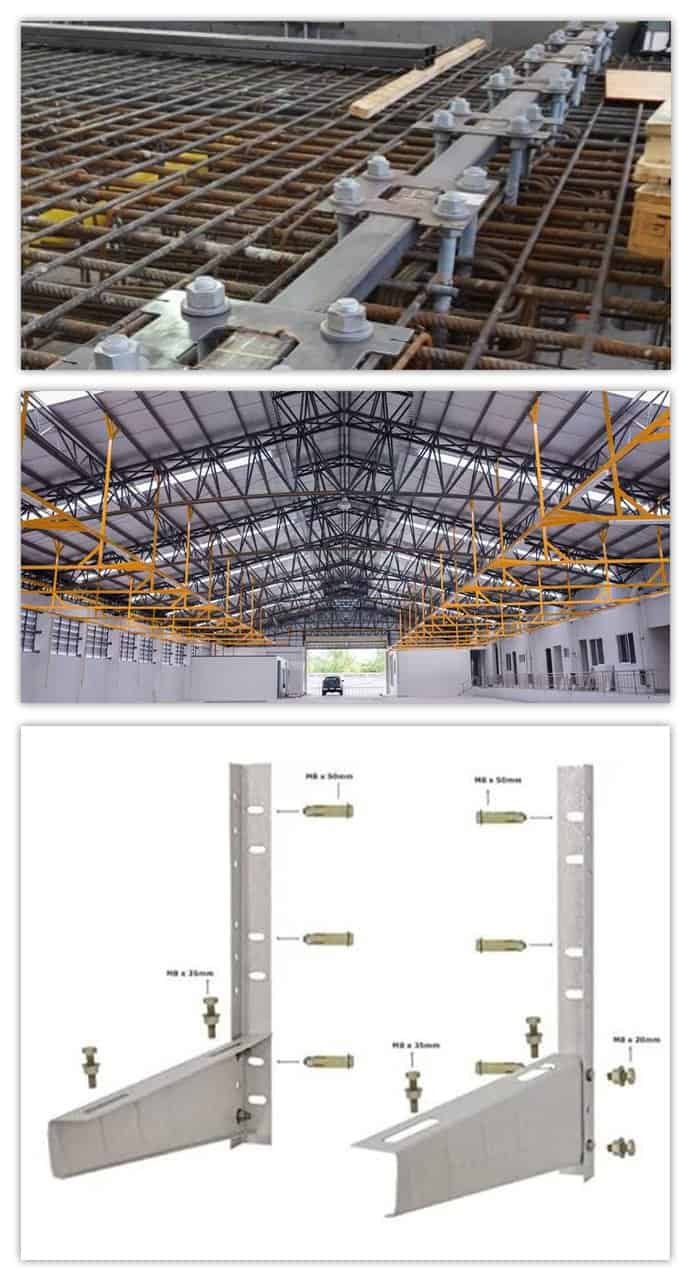
Construction: Low and medium carbon steels like IS 2062 are ideal for structural work.
Automotive: High-strength low-alloy steels (HSLA) are often used in body panels, frames, and engine components.
Machinery Manufacturing: Alloy steels with molybdenum or chromium enhance strength and resistance to fatigue.
Food Industry: Stainless steel (304 or 316) is non-reactive and hygienic.
Tooling and Dies: Tool steels like D2 or H13 offer hardness and wear resistance.