Custom fabrication isn’t just a value-added service; it’s the foundation of modern manufacturing. From steel structures to machinery parts, precision fabrication allows industries to meet project-specific demands with minimal waste and maximum efficiency.
What is Custom Fabrication?
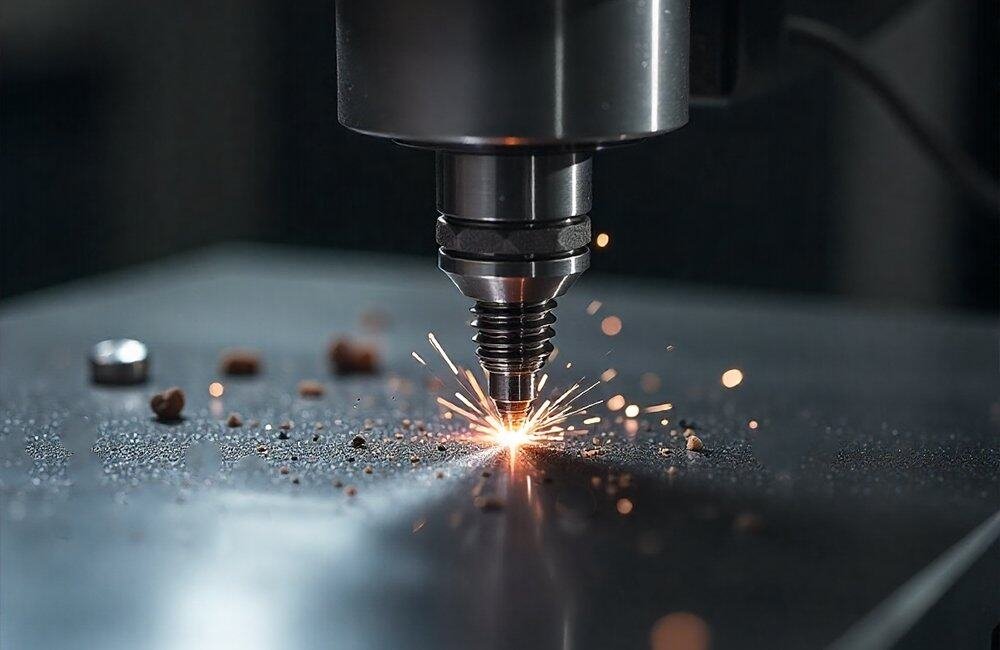
Custom fabrication involves cutting, bending, welding, and assembling steel or metal components based on exact client requirements. Whether it’s a one-off component or a batch of parts, the goal is to create solutions that perfectly align with the end use.
The Key Benefits
1. Perfect Fit Off-the-shelf products may not always meet the design or functional needs of a project. Custom fabrication guarantees dimensional accuracy.
2. Improved Performance Components tailored to specific environments perform better, last longer, and require less adjustment during installation.
3. Faster Turnaround With in-house capabilities, turnaround times can be reduced significantly compared to outsourcing or modifying standard parts.
4. Cost Efficiency Though the initial cost might seem higher, the reduction in material wastage, adjustments, and downtime makes custom fabrication a smart long-term investment.
5. Scalability Custom doesn’t always mean small scale. Once a prototype is perfected, scaling production becomes easier with consistent quality.
Where It Matters Most
-
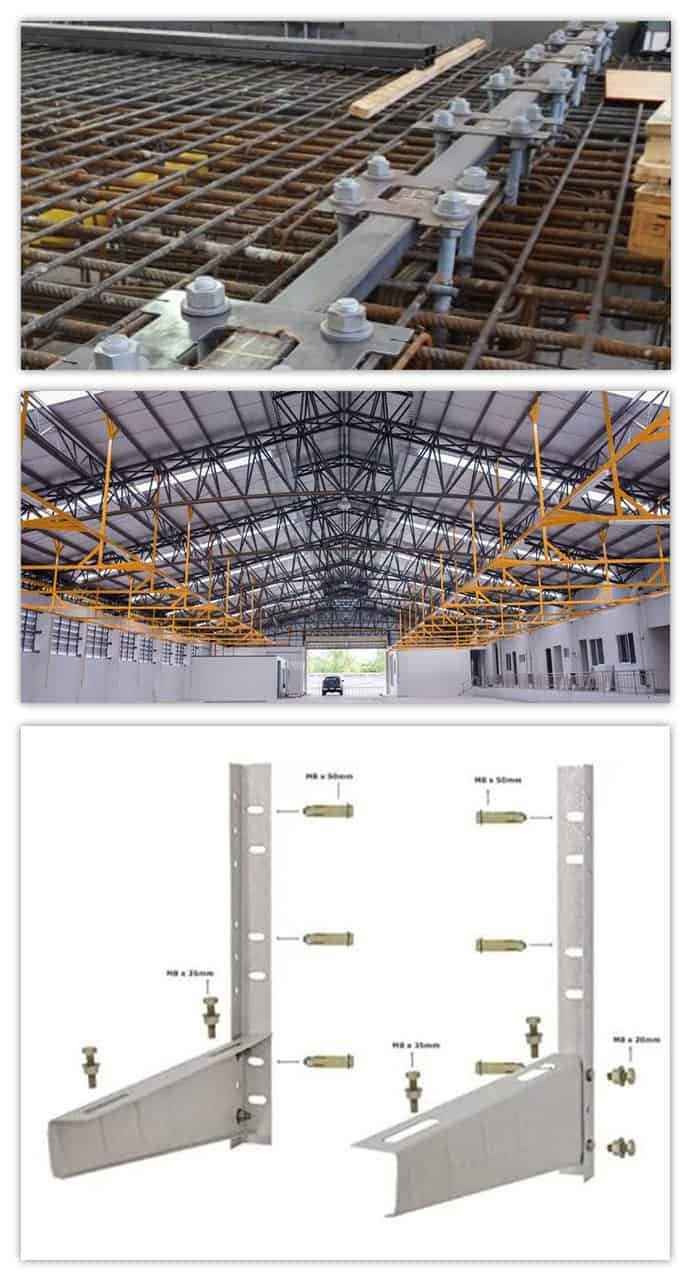
Construction: Prefabricated steel structures
-
Automotive: Custom brackets, chassis, or engine mounts
-
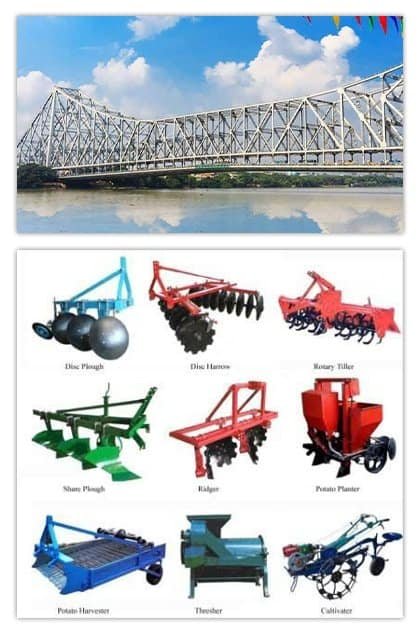
Agriculture: Specialized machinery parts
-
Textile & Tooling: Machine frames, enclosures, or brackets
How to Ensure Successful Fabrication
1. Clear Drawings & Specifications Provide detailed CAD drawings or sketches with accurate dimensions and material specs.
2. Collaborate With Experts Choose a fabrication partner who understands both the technical and practical aspects of manufacturing.
3. Quality Checks Insist on inspection at every stage – cutting, welding, finishing. Dimensional accuracy should be verified throughout.