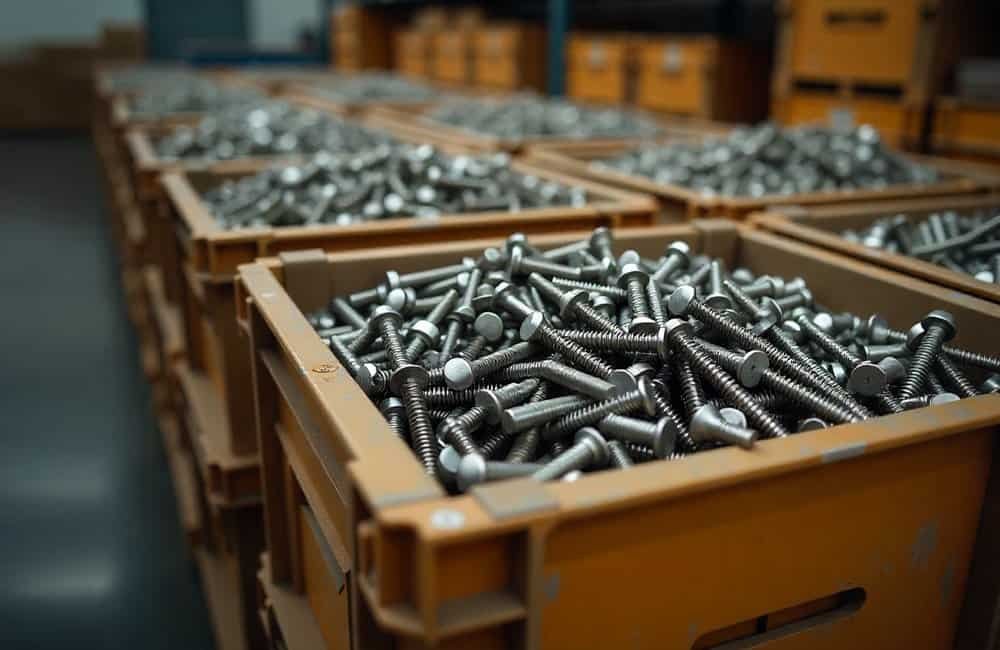
Bulk steel procurement can make or break a project. Whether you’re sourcing for construction, automotive, or machinery, ensuring quality in large orders is vital. Mistakes at this scale don’t just lead to delays – they affect performance, safety, and long-term credibility.
Understand Your Requirements First
Before picking up the phone or sending an inquiry, get clarity on:
-
Type of steel required (carbon, alloy, stainless, etc.)
-
Grades and standards (IS, ASTM, EN, etc.)
-
Quantity and tolerance levels
-
Application-specific needs (corrosion resistance, load-bearing capacity, etc.)
Vet the Supplier
1. Check Certifications Ensure the supplier is certified to deal in industrial-grade steel. Look for ISO certifications and material test reports.
2. Ask for Samples or Small Batches First Before placing a bulk order, test quality with smaller consignments.
3. Review Their Client List Suppliers with experience serving known manufacturers or government projects often follow strict quality norms.
4. Evaluate Customer Service Timely responses, technical support, and willingness to share specs are green flags.
Insist on Documentation
For every batch, ensure you receive:
-
Material Test Certificates (MTC)
-
Heat numbers for traceability
-
Compliance documents (IS/ASTM standards)
Quality Control on Your End
1. Third-Party Inspection Hire a qualified agency to inspect the bulk lot before accepting delivery.
2. Visual and Dimensional Checks Cross-check product dimensions, surface finish, and signs of rust or pitting.
3. Storage Matters Even the best steel degrades if stored poorly. Keep it dry, elevated, and labeled properly.
Common Pitfalls to Avoid
-
Ignoring testing certificates
-
Skipping sample approval
-
Not clarifying dispatch timelines
-
Overlooking packaging standards