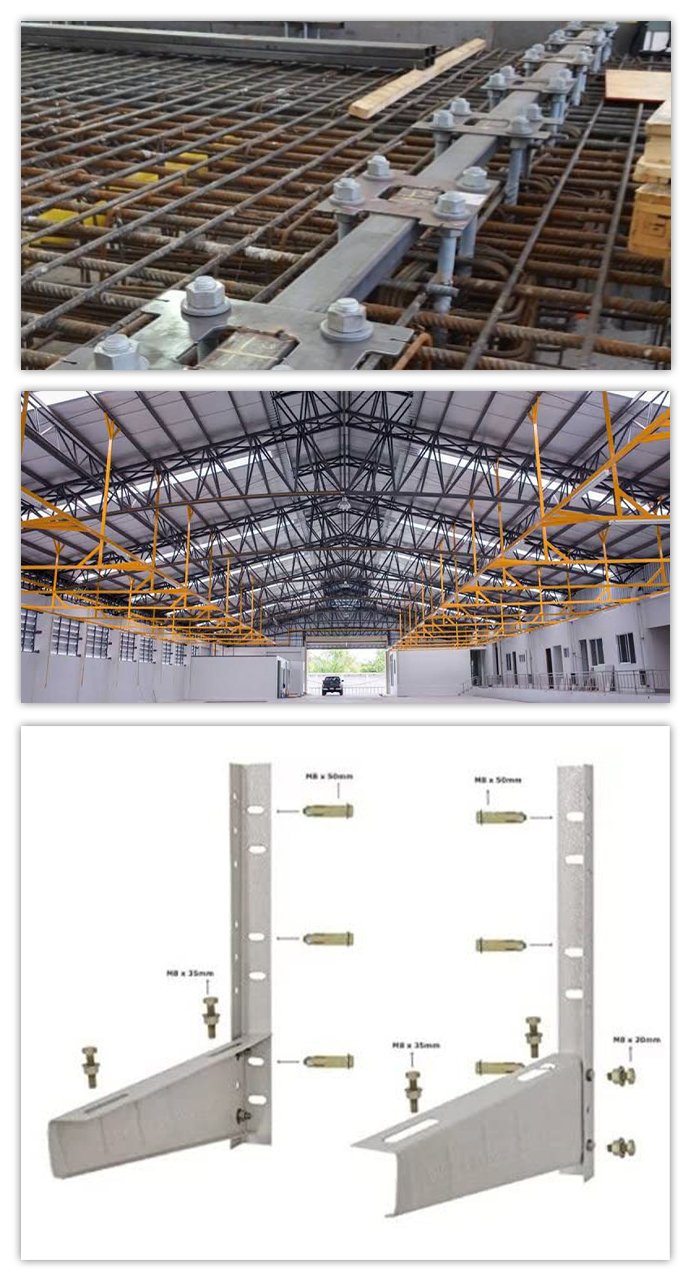
Selecting the correct anchor fastener is crucial for ensuring strength, safety, and long-term reliability in any construction or installation project. With a wide range of options available, the right choice depends on the base material, load requirements, and application.
- Understand the Base Material
Anchor fasteners behave differently depending on the surface:
Concrete: Ideal for heavy-duty anchors like wedge anchors, sleeve anchors, and chemical anchors.
Brick / Block: Best suited for sleeve anchors, frame fixing anchors, and nylon anchors.
Drywall / Plasterboard: Light-duty anchors such as plastic wall plugs or toggle bolts are more suitable.
- Determine the Load Requirement
3.Light Loads (shelves, fixtures, brackets): Plastic anchors, frame fixings, or hammer drive anchors.
Medium Loads (railings, gates, machinery supports): Sleeve anchors, shield anchors, or drop-in anchors.
Heavy Loads (structural steel, industrial machinery, safety-critical fixings): Wedge anchors, through bolts, and chemical anchors.
- Consider the Environment
Indoor Applications: Standard zinc-plated or mild steel anchors are sufficient.
Outdoor / Corrosive Environments: Stainless steel or hot-dip galvanized anchors provide corrosion resistance.
Seismic / Dynamic Loads: Specialized anchors tested for vibration and seismic conditions should be used.
- Ease of Installation
Quick Fixing: Nylon anchors and hammer drive anchors are simple and fast to install.
Precision & Strength: Chemical anchors require more installation time but deliver maximum holding power.
- Safety & Standards
Always choose anchor fasteners tested and certified as per international standards (such as ISO, EN, or ASTM) to ensure reliability and safety in critical applications.